
Business Backpack Sourcing for Europe and North America: DCP Bags' China Production And R-D Support
Oct 23, 2026
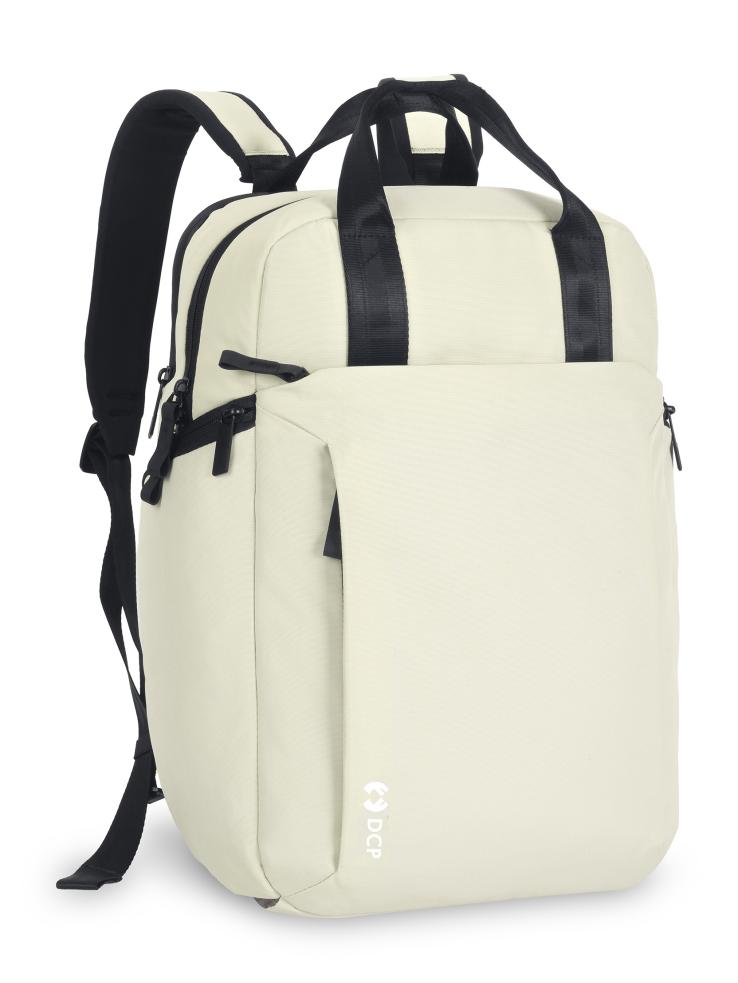
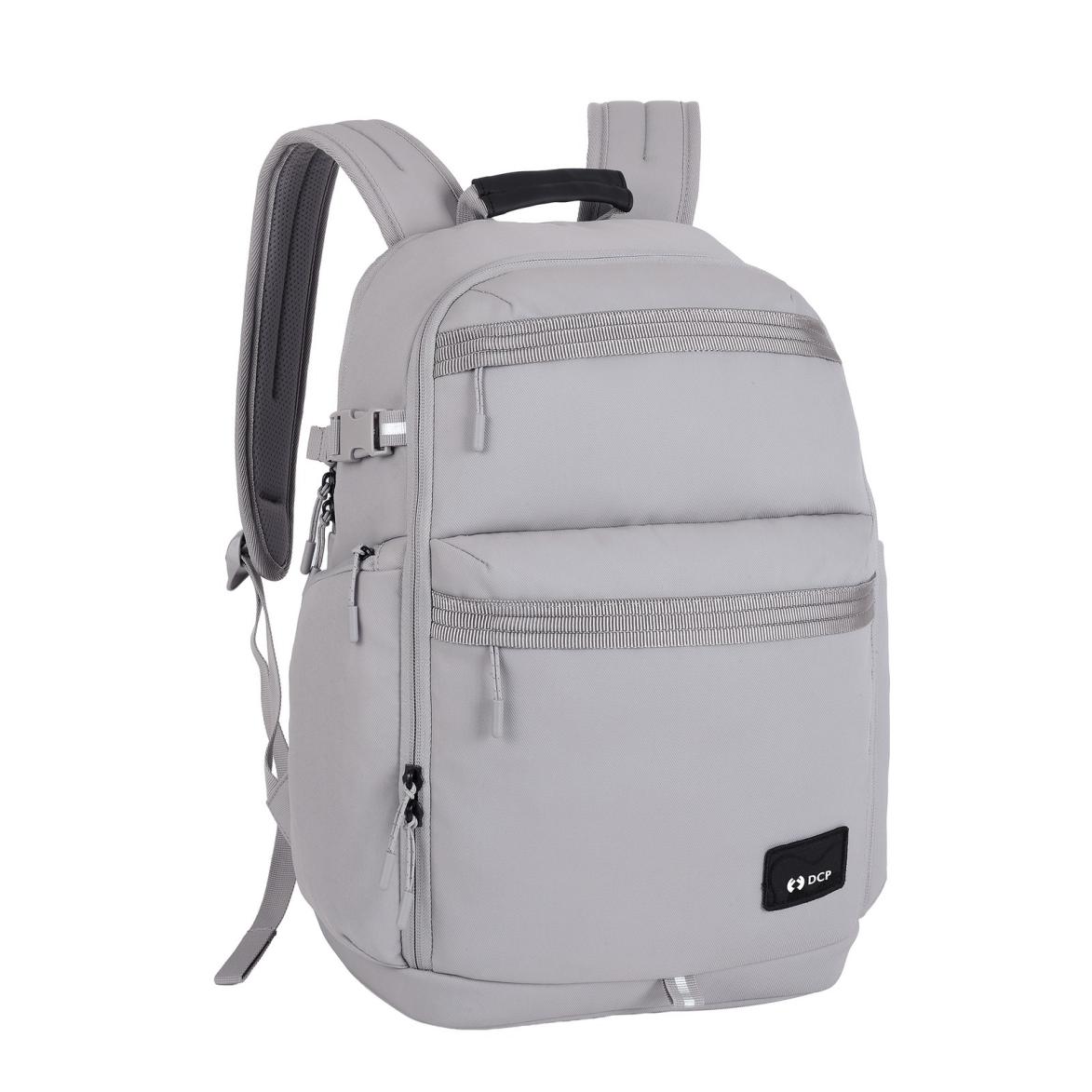
Quanzhou, Fujian Oct 22, 2026 (Issuewire.com) - Procurement teams across Europe and North America seeking a China Business Backpack Supplier (https://www.dcp-bags.com/Business-Series-pl2/) face the complex challenge of balancing consistent production capacity with the flexibility required for brand-specific adaptations. DCP TRAVELLING PRODUCTS CO., LTD. answers this demand through a dual-manufacturing foundation, combining an established China factory with extensive Indonesia operations, supported by advanced research and development capabilities. With an export footprint reaching more than twenty countries since its establishment in 2000, DCP Bags provides procurement professionals with a clear pathway to source business backpacks, trolley cases, and camping bags. By leveraging an OEM to ODM transition framework initiated in 2024, the company offers a concrete production baseline that includes 3D modeling, material recommendations, and quick sampling protocols to streamline cross-border supply chains. Five Business Backpack Models Create a Concrete Sourcing Baseline When evaluating suppliers for professional carry solutions, relying on abstract manufacturing capabilities often leads to misalignment. DCP Bags addresses this friction by establishing a robust product baseline built around five publicly accessible models within its business backpack category. These configurations, specifically the DCP-SP022, DCP-LB003, DCP-LB007, DCP-UN012, and DCP-UN013, serve as immediate reference points for purchasing managers. Instead of negotiating from conceptual sketches, procurement teams can evaluate these models to benchmark existing structural integrity and material choices. This cataloging allows buyers to map their specific functional requirements, from commuter organization to ergonomic support, directly onto a proven manufacturing blueprint. Starting with a verified baseline significantly reduces the timeline for custom product development. Sourcing directors can dissect existing compartments, stitching patterns, and load-bearing structures to determine which elements meet their criteria and which require tailored modifications. By grounding discussions in tangible products, the conversation shifts from capability validation to actionable customization. DCP-SP022 Focuses on Commuting and Trolley Integration The professional commuter market requires equipment that transitions seamlessly between daily office transit and extended regional travel. The DCP-SP022 model exemplifies a structural design optimized for these demands, providing a functional reference for procurement teams focused on corporate travel programs. A defining feature of this configuration is the trolley-handle pass-through, an essential integration that allows the backpack to rest securely on rolling luggage. For buyers targeting frequent travelers, this specific interface demonstrates an understanding of the end-user's physical journey. Beyond luggage compatibility, the DCP-SP022 incorporates a sophisticated airmesh backpanel and padded shoulder straps, addressing the critical necessity of load distribution and thermal comfort. Inside the bag, a padded main compartment operates in tandem with an organizer compartment to protect digital devices while keeping travel documents accessible. For B2B sourcing professionals, these features are verifiable engineering solutions that dictate assembly complexity. Evaluating the DCP-SP022 gives regional buyers a tangible standard for commuter-focused product lines. DCP-LB003 Provides a Tech-Organization Reference for Laptop Carry As digital devices multiply in the professional workspace, business backpack architecture must evolve to prioritize systematic organization. The DCP-LB003 model provides procurement departments with a specialized blueprint for technology-oriented carrying solutions. Central to its design is a large-volume dual compartment layout, establishing a fundamental separation between personal items and professional hardware to maintain load balance. Furthermore, the DCP-LB003 integrates an external USB cable port to address the continuous power requirements of modern professionals. This interface is supported by internal pass-through slots connecting power banks to devices housed in dedicated phone and tablet pockets. Adding to this ecosystem is a fold-out pocket equipped with an accordion-style tech organizer, ensuring that cables remain untangled. From a manufacturing perspective, integrating electronic components and complex organizational panels requires precise pattern making. For sourcing teams evaluating production partners, the DCP-LB003 demonstrates the supplier's capacity to execute intricate multi-layered sewing and manage specialized hardware integration. China Production Offers a Defined Manufacturing Base for Business Programs Securing a stable and transparent manufacturing network is a primary objective for international buyers navigating the global supply chain. The operational infrastructure of DCP Bags (https://www.dcp-bags.com/company/) provides a defined production base that anchors complex business backpack programs. The company's manufacturing footprint is explicitly quantified, starting with a 13,000-square-meter facility in China that operates eight dedicated production lines. Staffed by a workforce of over 200 employees, this facility achieves a stated monthly output of 100,000 packages. This operation is complemented by a larger facility in Indonesia, spanning 26,000 square meters with 40 production lines, delivering a monthly capacity of 400,000 pieces. For procurement executives managing high-volume commitments, these metrics offer a reliable foundation for capacity planning. Beyond raw output, the manufacturing process is governed by a Testing Center equipped with over twenty distinct types of evaluation machinery. This facility conducts rigorous testing from raw materials through to finished products, ensuring that quality meets international standards before any shipment is authorized. This comprehensive testing approach provides European and North American partners with the necessary process transparency to satisfy strict vendor compliance requirements. R&D Support Helps Adapt Existing Models for Brand Programs Transitioning from standard catalog items to proprietary brand designs requires a manufacturer capable of sophisticated research and development. In 2024, the company officially outlined its transition from an OEM model to a comprehensive ODM partnership structure, signaling a strategic focus on collaborative product creation. This R&D support system takes the established baseline models and adapts them precisely to the functional requirements of international clients. The development workflow incorporates 3D modeling, allowing procurement teams to visualize structural changes and compartment reconfigurations before committing to physical prototypes. Following digital review, the R&D team provides expert material recommendations, guiding buyers through the selection of fabric alternatives that align with regional market trends. Once the design and material palette are finalized, the facility initiates quick sampling protocols to deliver tactile prototypes for final review. This structured progression from 3D visualization to physical sampling ensures that every modification is engineered for mass production viability, providing a seamless conduit between initial concept validation and final assembly. Regional Sourcing Should Stay Anchored to Product and Process Evidence When navigating international procurement, purchasing directors must base their decisions on verifiable product and process evidence. Sourcing business backpacks for the European and North American markets demands a rigorous evaluation of a supplier's actual production capabilities, material control, and design support. The evidence provided by the manufacturer, including explicit facility dimensions, specific equipment inventories, and detailed model configurations, forms the necessary bedrock for a secure commercial relationship. Buyers should prioritize suppliers that offer clear visibility into their testing procedures, understanding exactly how raw materials are vetted and how finished products are certified. The presence of specialized models like the DCP-SP022 and DCP-LB003 serves as tangible proof of construction competence, while the quantified capacities of the China and Indonesia facilities provide the assurance required for volume commitments. By anchoring supplier evaluation to documented processes, 3D modeling capabilities, and rigorous raw-material-to-finished-product testing routines, international brands can execute their sourcing strategies with confidence. To review the detailed product specifications and explore custom manufacturing opportunities, visit the official website at https://www.dcp-bags.com/.
Source :DCP TRAVELLING PRODUCTS CO., LTD.
This article was originally published by IssueWire. Read the original article here.
More News


YOUR NEWS, OUR NETWORK.
Do you have Great News you want to tell the world?
Be it updates about your business or your community, you can make sure that it’s heard by submitting your story to our network reaching hundreds of news sites across 6 verticals.